Colombia Lee con Hasta 80% dcto  Ver más

Enviar a
Bogota, Cundinamarca
0
  • argentina
  • chile
  • colombia
  • españa
  • méxico
  • perú
  • estados unidos
  • internacional

Selecciona tu país

América

Europa

Resto del mundo

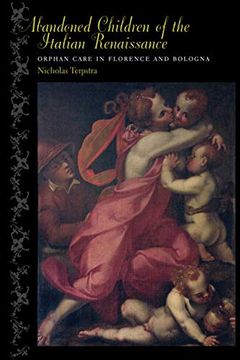
portada Abandoned Children of the Italian Renaissance: Orphan Care in Florence and Bologna: 123 (The Johns Hopkins University Studies in Historical and Political Science, 123) (en Inglés)
Formato
Libro Físico
Editorial
Año
2020
Idioma
Inglés
N° páginas
368
Encuadernación
Tapa Blanda
ISBN13
9781421439242

Abandoned Children of the Italian Renaissance: Orphan Care in Florence and Bologna: 123 (The Johns Hopkins University Studies in Historical and Political Science, 123) (en Inglés)

Nicholas Terpstra (Autor) · Jhup · Tapa Blanda

Abandoned Children of the Italian Renaissance: Orphan Care in Florence and Bologna: 123 (The Johns Hopkins University Studies in Historical and Political Science, 123) (en Inglés) - Nicholas Terpstra

Libro Nuevo Importado
Envío: 19 a 26 días háb.
$ 363.456$ 181.728
-50%
Costos de importación incluídos en el precio ✅
Libro Nuevo

Quedan 36 unidades

$ 181.728
¡Envío Gratis!  Llega entre el 18 Ago y el 28 Ago a Bogota, Cundinamarca. Seleccionar ubicación

Reseña del libro "Abandoned Children of the Italian Renaissance: Orphan Care in Florence and Bologna: 123 (The Johns Hopkins University Studies in Historical and Political Science, 123) (en Inglés)"

In the early development of the modern Italian state, individual orphanages were a reflection of the intertwining of politics and charity.Nearly half of the children who lived in the cities of the late Italian Renaissance were under fifteen years of age. Grinding poverty, unstable families, and the death of a parent could make caring for these young children a burden. Many were abandoned, others orphaned. At a time when political rulers fashioned themselves as the "fathers" of society, these cast-off children presented a very immediate challenge and opportunity.In Bologna and Florence, government and private institutions pioneered orphanages to care for the growing number of homeless children. Nicholas Terpstra discusses the founding and management of these institutions, the procedures for placing children into them, the children's daily routine and education, and finally their departure from these homes. He explores the role of the city-state and considers why Bologna and Florence took different paths in operating the orphanages. Terpstra finds that Bologna's orphanages were better run, looked after the children more effectively, and were more successful in returning their wards to society as productive members of the city's economy. Florence's orphanages were larger and harsher, and made little attempt to reintegrate children into society.Based on extensive archival research and individual stories, Abandoned Children of the Italian Renaissance demonstrates how gender and class shaped individual orphanages in each city's network and how politics, charity, and economics intertwined in the development of the early modern state.

Opiniones del libro

Preguntas frecuentes sobre el libro

Todos los libros de nuestro catálogo son Originales.
El libro está escrito en Inglés.
La encuadernación de esta edición es Tapa Blanda.

Preguntas y respuestas sobre el libro

¿Tienes una pregunta sobre el libro? Inicia sesión para poder agregar tu propia pregunta.

Opiniones sobre Buscalibre

Ver más opiniones de clientes