Aprovecha y compra con 50% dcto en libros traídos desde España  Ver más

Enviar a
Bogota, Cundinamarca
0
  • argentina
  • chile
  • colombia
  • españa
  • méxico
  • perú
  • estados unidos
  • internacional

Selecciona tu país

América

Europa

Resto del mundo

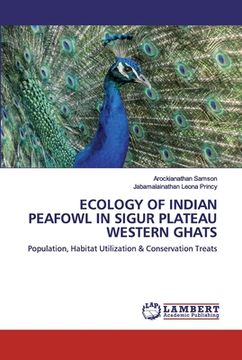
portada Ecology of Indian Peafowl in Sigur Plateau Western Ghats (en Inglés)
Formato
Libro Físico
Idioma
Inglés
N° páginas
72
Encuadernación
Tapa Blanda
Dimensiones
22.9x15.2x0.4 cm
Peso
0.12 kg.
ISBN13
9786202518864

Ecology of Indian Peafowl in Sigur Plateau Western Ghats (en Inglés)

Arockianathan Samson (Autor) · Jabamalainathan Leona Princy (Autor) · LAP Lambert Academic Publishing · Tapa Blanda

Ecology of Indian Peafowl in Sigur Plateau Western Ghats (en Inglés) - Samson, Arockianathan ; Leona Princy, Jabamalainathan

Libro Nuevo Importado
Envío: 21 a 25 días háb.
$ 313.541$ 172.448
-45%
Costos de importación incluídos en el precio ✅
Libro Nuevo

Quedan 10 unidades

$ 172.448
¡Envío Gratis!  Llega entre el 15 Sep y el 22 Sep a Bogota, Cundinamarca. Seleccionar ubicación

Reseña del libro "Ecology of Indian Peafowl in Sigur Plateau Western Ghats (en Inglés)"

The present study aimed to estimate population status, habitat utilization and threats to Indian peafowl in Sigur Plateau, Tamil Nadu on November 2016 to March 2017. A total of 1091 individuals of peafowls were recorded in 487 sightings in 1080 km (2.28 0.05) with the encounter rate of 1.01 individuals/km. In Dry Deciduous Forest a total of 570 individuals of peafowls were recorded in 224 sightings in 460 km (2.28 0.05, ER=1.01 individuals/km). In Dry Thorn Forest a total of 521 individuals of peafowls were recorded in 254 sightings in 620 km (2.05 0.06) ER=0.84 individuals/km. A total of 19 roosting trees species were identified of which all 19 species were recorded in thorn forest similarly nine species were recorded in the dry deciduous forest. Highest number of roosts were recorded in Tectona grandis (n=27) the average height of the tree species was 14.46 and average Indian peafowl roost height was 11.25. Indian peafowl decreasing the reason for invading the human habitation was loss of food (n=60). Crop damage by peafowl shows that beans (50%) were highly damaged b followed by chilly (37%), tomato (5%) and maize (4%) and Corn (1%).

Opiniones del libro

Preguntas frecuentes sobre el libro

Todos los libros de nuestro catálogo son Originales.
El libro está escrito en Inglés.
La encuadernación de esta edición es Tapa Blanda.

Preguntas y respuestas sobre el libro

¿Tienes una pregunta sobre el libro? Inicia sesión para poder agregar tu propia pregunta.

Opiniones sobre Buscalibre

Ver más opiniones de clientes