Tiempo extra para leer - Hasta 80% dto  Ver más

Enviar a
Bogota, Cundinamarca
0
  • argentina
  • chile
  • colombia
  • españa
  • méxico
  • perú
  • estados unidos
  • internacional

Selecciona tu país

América

Europa

Resto del mundo

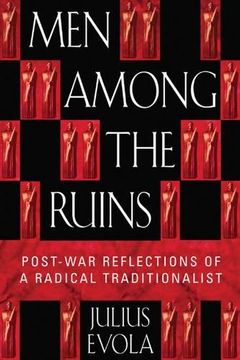
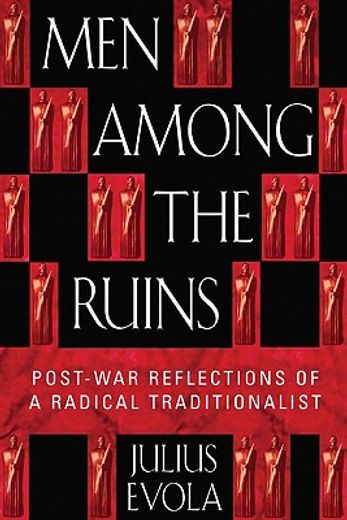
portada Men Among the Ruins: Post-War Reflections of a Radical Traditionalist (en Inglés)
Men Among the Ruins: Post-War Reflections of a Radical Traditionalist (en Inglés)Men Among the Ruins: Post-War Reflections of a Radical Traditionalist (en Inglés)Men Among the Ruins: Post-War Reflections of a Radical Traditionalist (en Inglés)Men Among the Ruins: Post-War Reflections of a Radical Traditionalist (en Inglés)Men Among the Ruins: Post-War Reflections of a Radical Traditionalist (en Inglés)
Formato
Libro Físico
Año
2002
Idioma
Inglés
N° páginas
328
Encuadernación
Tapa Blanda
Dimensiones
22.4 x 15.0 x 2.5 cm
Peso
0.45 kg.
ISBN
0892819057
ISBN13
9780892819058

Men Among the Ruins: Post-War Reflections of a Radical Traditionalist (en Inglés)

Julius Evola (Autor) · Inner Traditions · Tapa Blanda

Men Among the Ruins: Post-War Reflections of a Radical Traditionalist (en Inglés) - Julius Evola

Libro Nuevo Importado
Envío: 18 a 25 días háb.
$ 212.486$ 106.243
-50%
Costos de importación incluídos en el precio ✅
Libro Nuevo

Quedan 7 unidades

$ 106.243
¡Envío Gratis!  Llega entre el 14 Jul y el 27 Jul a Bogota, Cundinamarca. Seleccionar ubicación

Reseña del libro "Men Among the Ruins: Post-War Reflections of a Radical Traditionalist (en Inglés)"

Julius Evola's masterful overview of the political and social manifestations of our time, the "age of decline" known to the Hindus as the Kali Yuga. - Reveals the occult war that underlies the crises that have become a prevailing feature of modern life. - Includes H. T. Hansen's definitive essay on Evola's political life and theory. Men Among the Ruins is Evola's frontal assault on the predominant materialism of our time and the mirage of progress. For Evola and other proponents of Traditionalism, we are now living in an age of increasing strife and chaos: the Kali Yuga of the Hindus or the Germanic Ragnarok. In such a time, social decadence is so widespread that it appears as a natural component of all political institutions. Evola argues that the crises that dominate the daily lives of our societies are part of a secret occult war to remove the support of spiritual and traditional values in order to turn man into a passive instrument of the powerful. Evola is often regarded as the godfather of contemporary Italian fascism and right-wing radical politics, but attentive examination of the historical record--as provided by H. T. Hanson's definitive introduction--reveals Evola to be a much more complex figure. Though he held extreme right-wing views, he was a fearless critic of the Fascist regime and preferred a caste system based on spirituality and intellect to the biological racism championed by the Nazis. Ultimately, he viewed the forces of history as comprised by two factions: "history's demolition squad" enslaved by blind faith in the future and those individuals whose watchword is Tradition. These latter stand in this world of ruins at a higher level and are capable of letting go of what needs to be abandoned in order that what is truly essential not be compromised.
Julius Evola
  (Autor)
Ver Página del Autor
Julius Evola (Roma, 19 de mayo de 1898 – 11 de junio de 1974) fue un filósofo, escritor y pensador italiano, conocido por su postura radicalmente tradicionalista, esotérica y su crítica feroz al liberalismo, la democracia y la modernidad.

De familia aristocrática, Evola se formó en ingeniería, pero su verdadera vocación fue la filosofía y las artes. Durante su juventud, se interesó por el dadaísmo y el futurismo, influenciado por figuras como Papini y Marinetti. Sin embargo, tras la Primera Guerra Mundial, sufrió una crisis existencial que lo llevó a un profundo estudio de la metafísica, la religión comparada y el esoterismo.

En la década de 1930, Evola se alineó con el fascismo italiano, aunque mantuvo una postura crítica hacia el régimen de Mussolini, considerándolo plebeyo y demagógico. En 1934, publicó su obra más influyente, Revuelta contra el mundo moderno, donde abogó por un retorno a valores tradicionales y una élite espiritual que guiara a la humanidad. Durante la Segunda Guerra Mundial, se trasladó a Viena, donde fue gravemente herido por un obús soviético, quedando parapléjico.

Tras la guerra, Evola continuó escribiendo y desarrollando su pensamiento, que influyó en movimientos neofascistas y tradicionalistas. Su legado es controvertido, siendo considerado por algunos como un pensador radical y por otros como un ideólogo extremista.
Ver más
Ver menos

Opiniones del libro

Preguntas frecuentes sobre el libro

Todos los libros de nuestro catálogo son Originales.
El libro está escrito en Inglés.
La encuadernación de esta edición es Tapa Blanda.

Preguntas y respuestas sobre el libro

¿Tienes una pregunta sobre el libro? Inicia sesión para poder agregar tu propia pregunta.

Opiniones sobre Buscalibre

Ver más opiniones de clientes